
Sales & Marketing · HOLD.co portfolio
DigitalSign.co — describe the screen, AI does the design.
DigitalSign.co is AI-native digital signage software. A business types what its screens should say, approves one of three generated designs, schedules it by time of day, and it plays on every paired screen — and keeps playing through an internet outage. The first three screens are free.
A HOLD.co company
The marketing channel already hanging on the wall.
DigitalSign.co sits in the HOLD.co sales and marketing segment alongside Digital.Marketing, SEO.co, PPC.co, VID.co, Link.Build, PR.Digital, SalesDeveloper.ai and WhiteLabel.Digital. Those brands reach a customer before they arrive; DigitalSign reaches them once they are standing in the room.
The bet is the same one running through the rest of the portfolio: generative AI collapses the cost of producing marketing content, and the businesses that gain most are the ones that could never afford a designer in the first place. A restaurant does not need a signage strategy — it needs the lunch menu on the screen at eleven and the dinner menu at five.
The problem
Most business screens are showing last season.
Digital signage has been stuck in the same workflow for a decade. The screens got cheap; keeping them current did not.
Content is the bottleneck, not hardware
A TV costs a few hundred dollars. Keeping it worth looking at costs a designer's time every week, and most businesses do not have a designer. The screen goes up with a launch promo and is still showing it in the spring.
The old loop has too many steps
Create, upload, build a playlist, schedule it, repeat. Each step lives in a different tool or a different person's inbox, so the cheapest decision is always to leave the screen as it is.
A black screen is worse than none
Players that stream from the cloud go dark the moment the connection drops — in front of the customers the screen was meant to impress.
Per-screen pricing punishes starting small
Incumbents charge from the first screen, which is exactly where a single café or shop decides whether signage is worth it at all.
How it works
From a sentence to every screen.
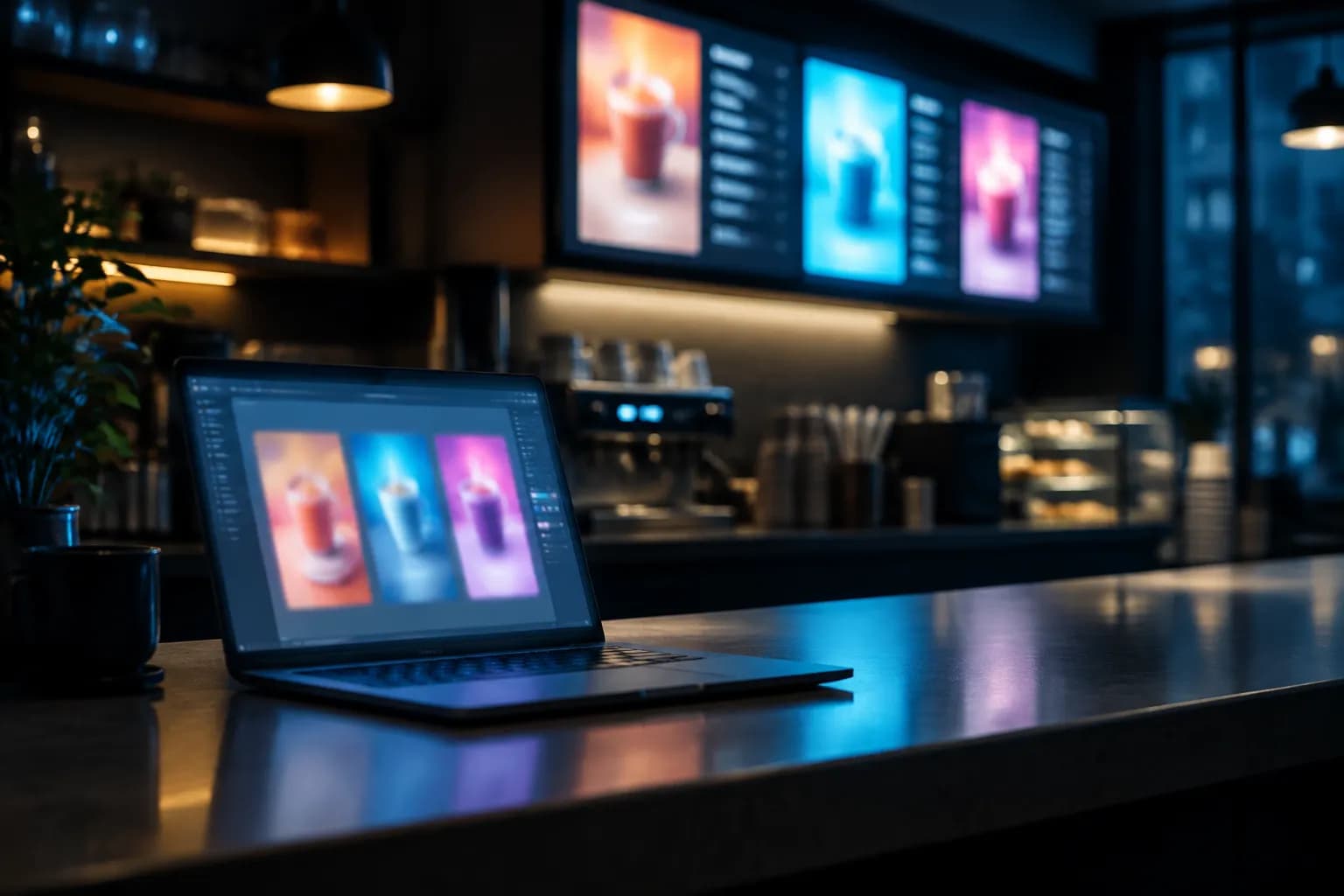
Designs come back as structured, editable layouts rather than flat images — so “make the price bigger” changes the price, and “turn it vertical” reflows the layout for a portrait screen.
- 01
Describe
Type what the screen should say, the way you would brief a designer.
- 02
Approve
Pick one of three on-brand variations, then refine it in plain English or the visual editor.
- 03
Schedule
Drop it into a daypart — breakfast, lunch, dinner, weekends, holidays.
- 04
Play
Every paired screen downloads it, verifies it and plays it, online or off.
Where it runs
Built for the screens businesses already have.
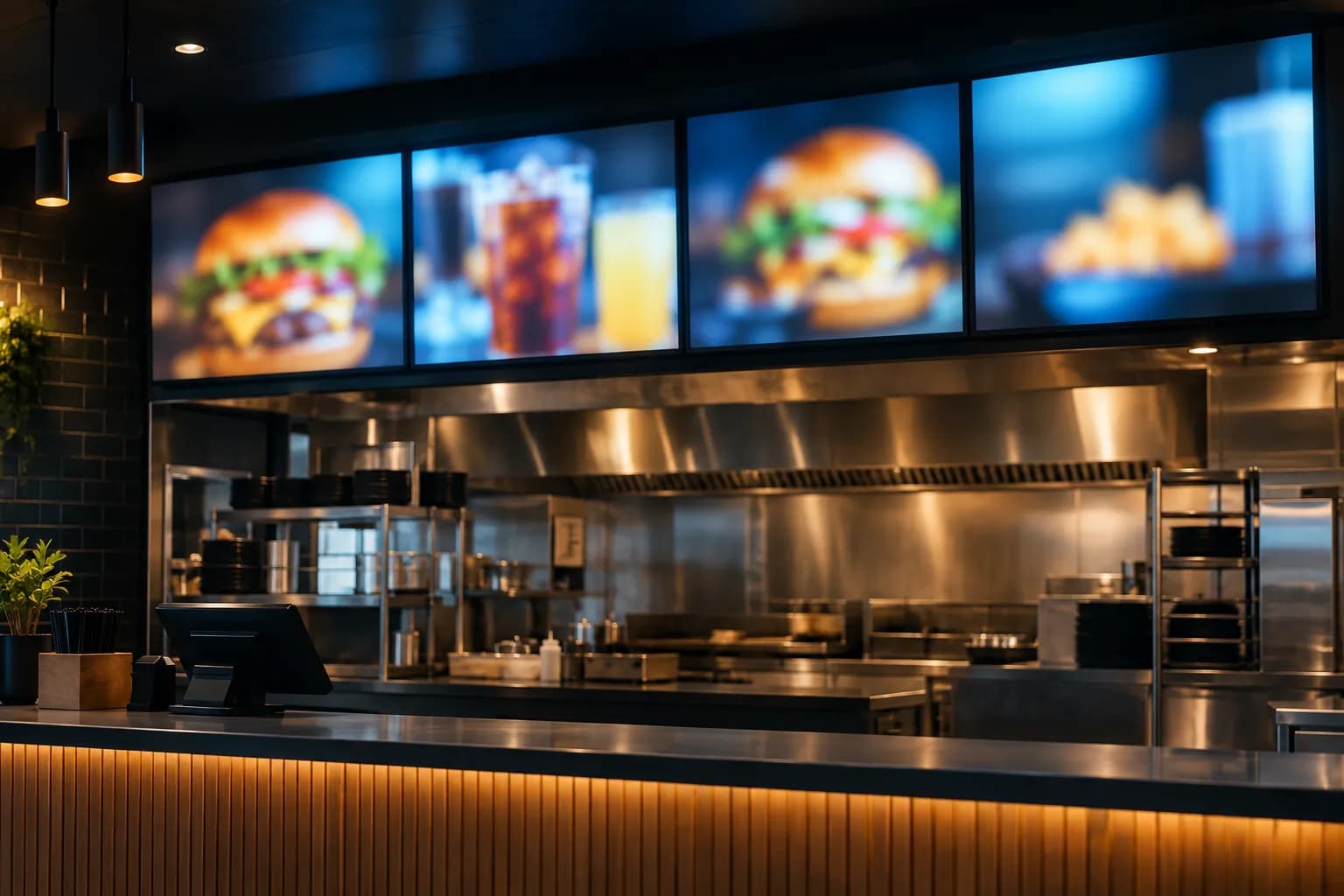
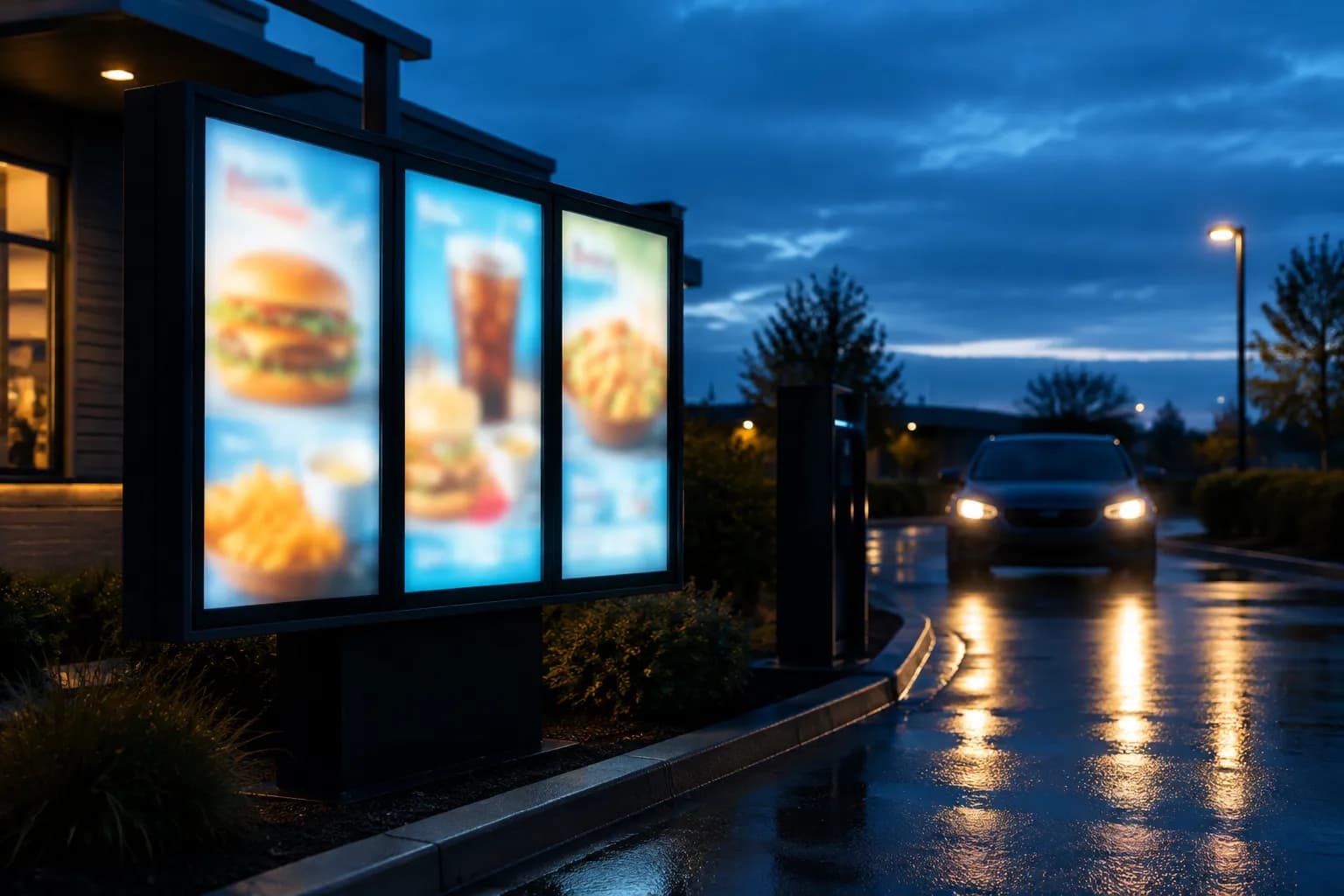
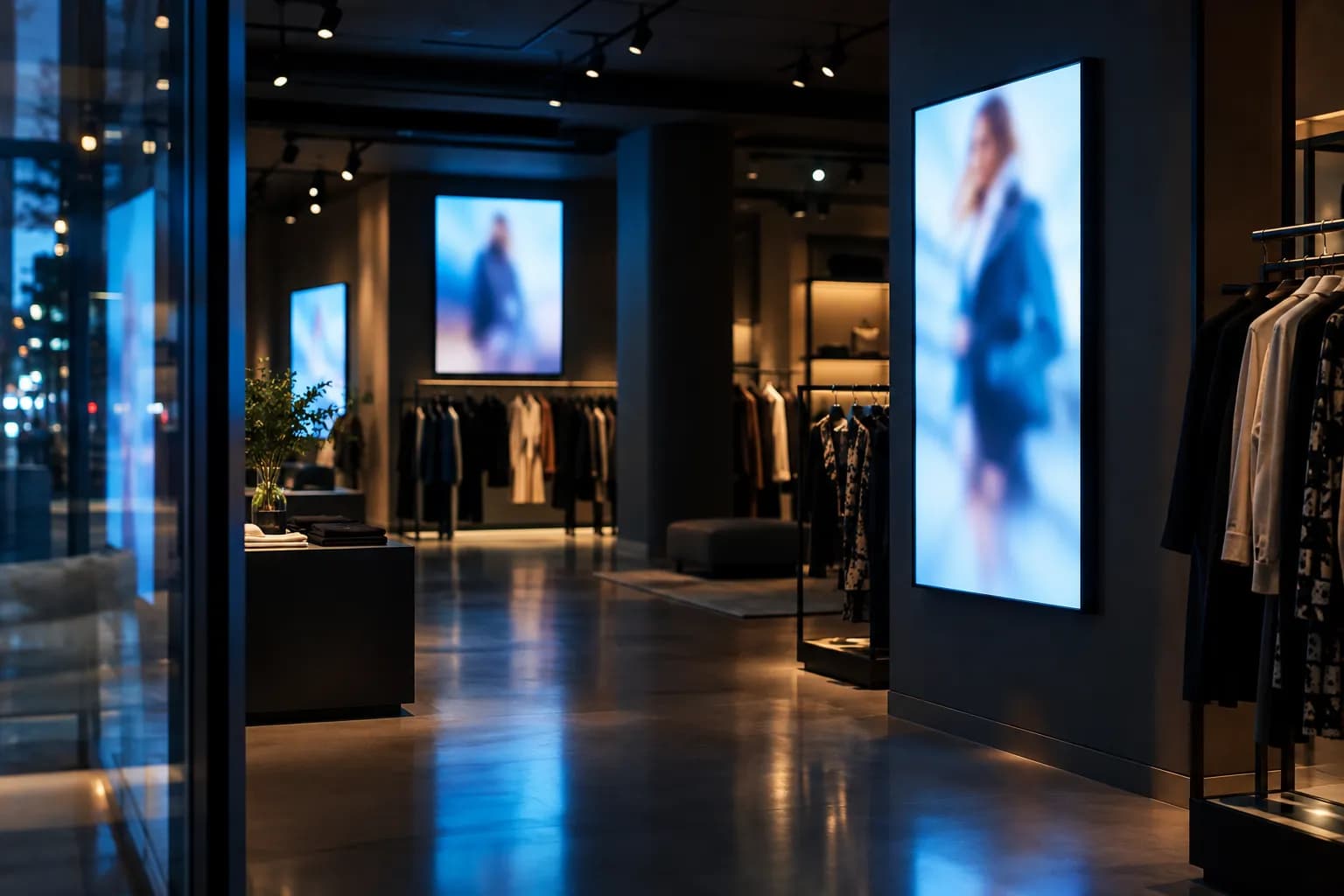
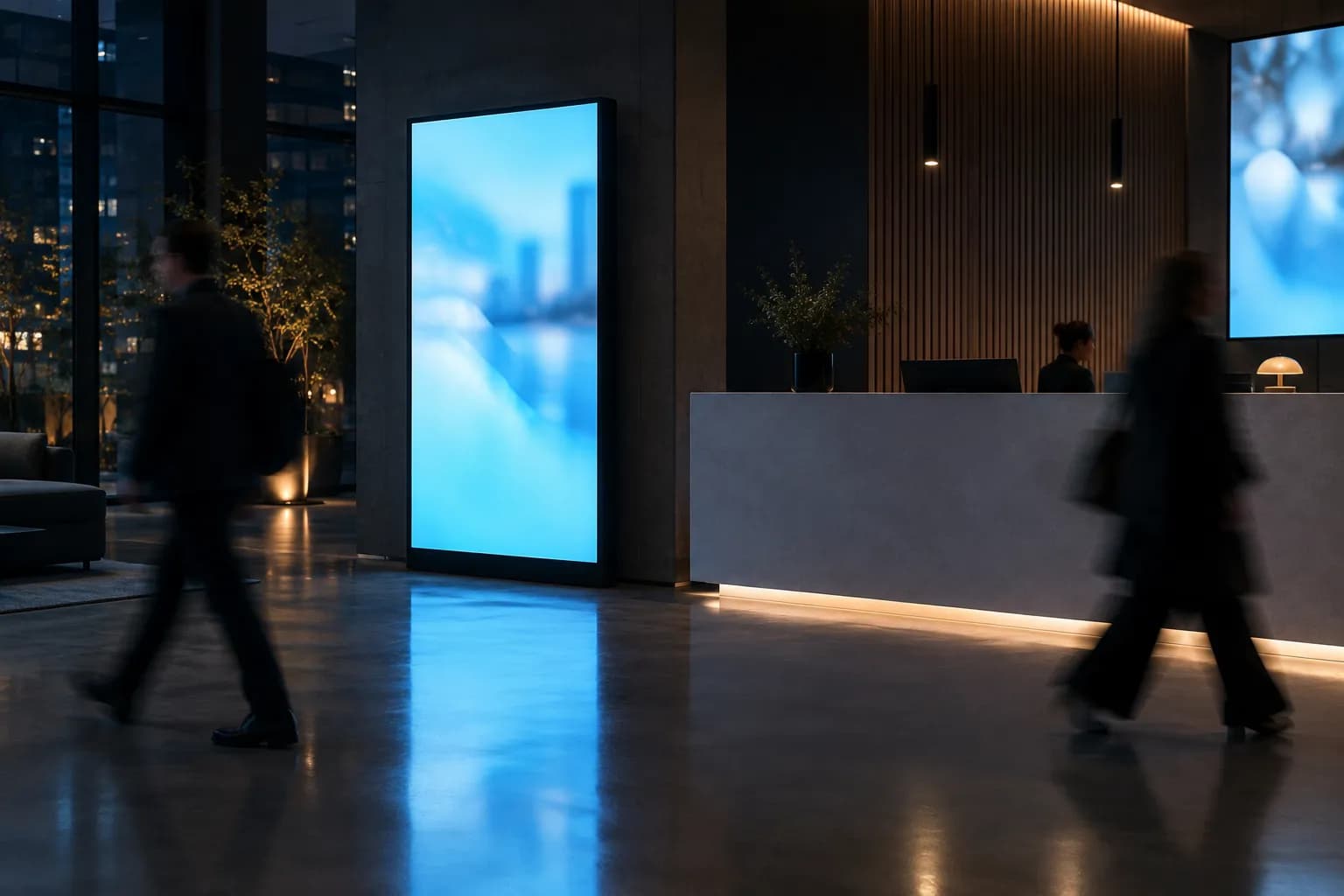
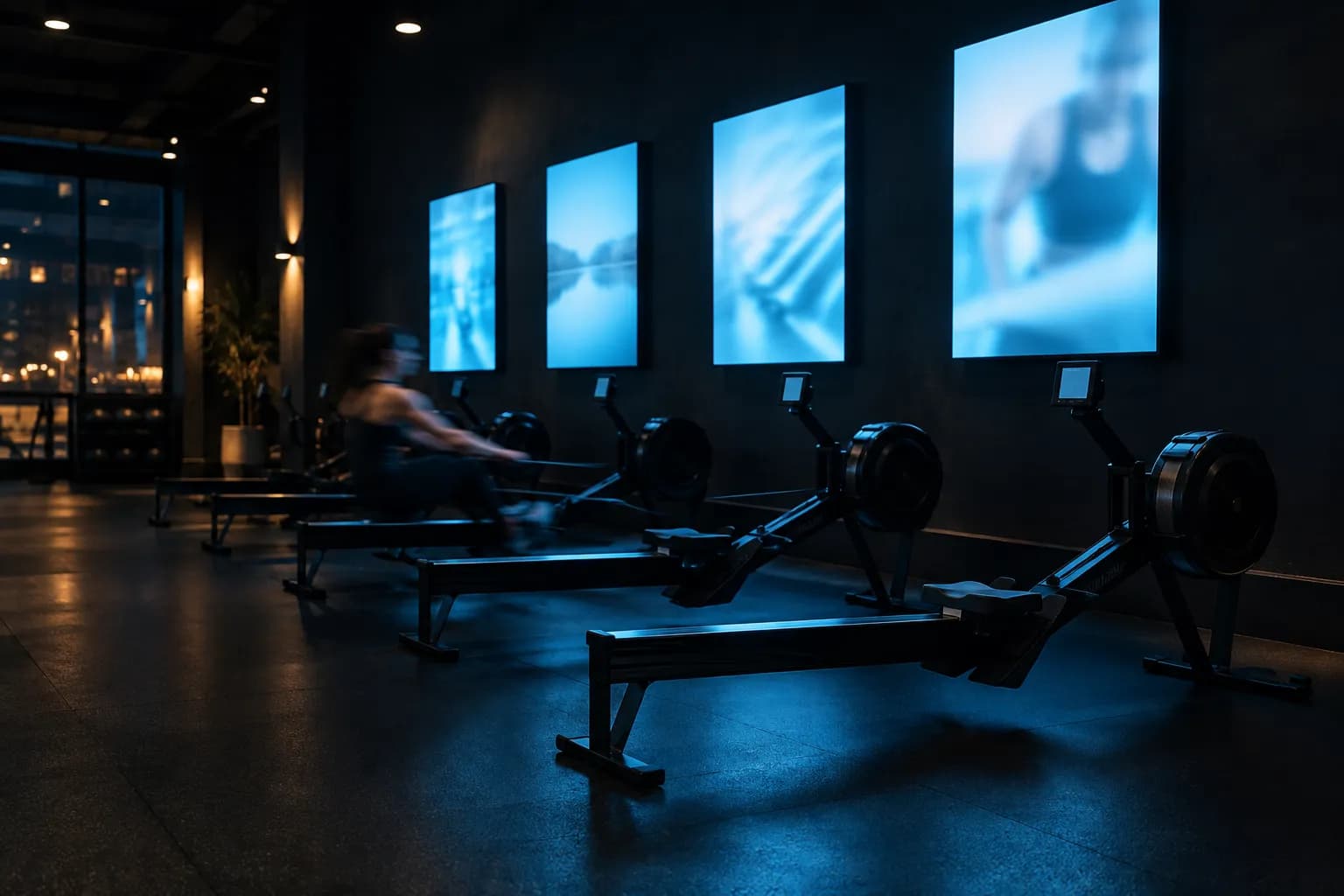
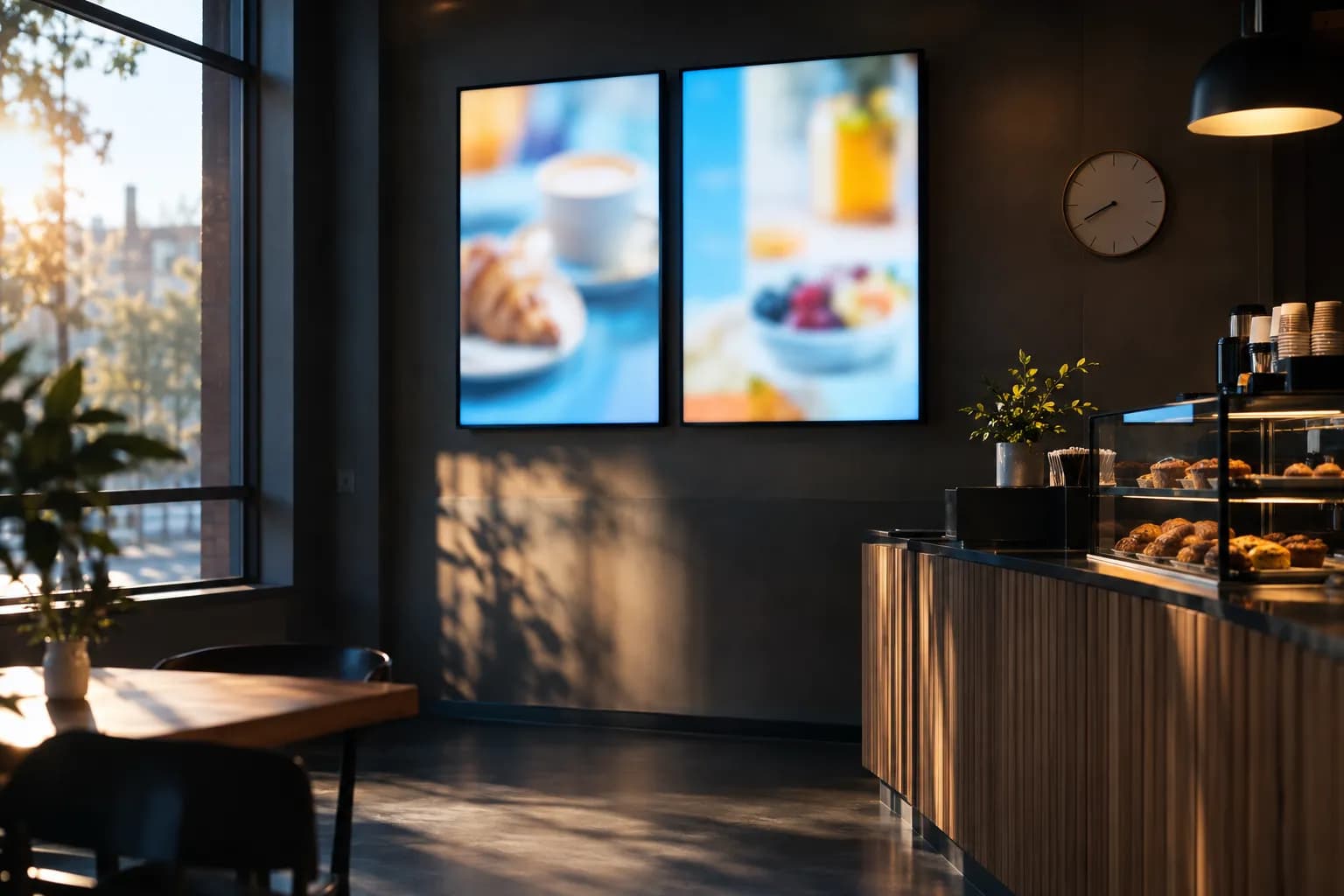
Menu boards, drive-thrus, storefronts, lobbies and class schedules — the places where a screen is a sales tool as much as a sign.
The platform
Content, time and place, kept separate.
What plays, when it plays and where it plays are three different decisions. Keeping them apart is what makes scheduling reliable across one screen or a few hundred.
Our thesis
Screens should be the easiest marketing a business has. When producing the content costs a sentence instead of a designer, the screen stops being a sunk cost and starts earning its place on the wall.
Put the first three screens on it for free.
Pair a screen, describe what it should say, and see a schedule running the same afternoon. Compare plans, book a demo, or read the DigitalSign blog for dayparting and menu-board playbooks.
Interested in the platform or the portfolio?
Whether you run screens across your locations or you're an owner, operator, or investor exploring a deal with HOLD.co, start a confidential conversation.